
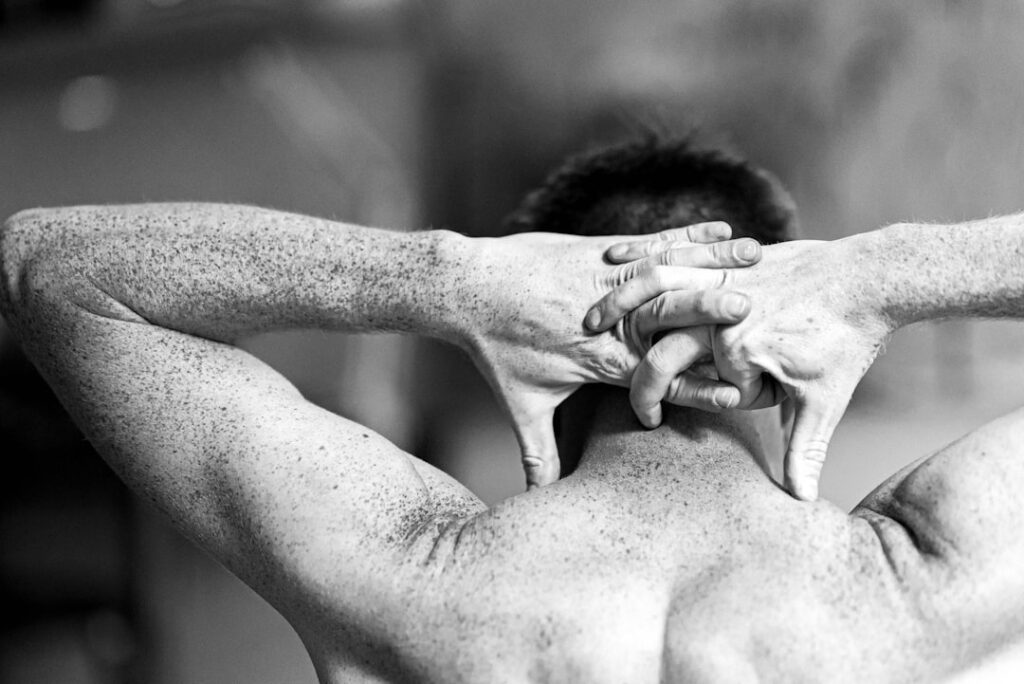
Tension headaches are among the most common types of headaches experienced by residents in Syracuse, New York, especially as we juggle work, school, family, and adapting to our city’s ever-changing weather. Whether it’s from hunching over while shoveling snow on a cold winter morning or staring at a computer screen for hours in one of Syracuse’s many office jobs, muscle tension in the neck and shoulders is a leading trigger of these headaches. Fortunately, you don’t have to live with the discomfort. Integrating simple, daily stretches can significantly reduce the frequency and intensity of your tension headaches.
Understanding Tension Headaches in Syracuse
Syracuse’s unique climate, with its long winters and humid summers, can lead to lifestyle habits that worsen tension headaches. Colder weather can make us tense our shoulders and necks, while long commutes or time spent indoors lead to poor posture. Combine that with the stress of busy schedules, and it’s no wonder so many Syracuse residents seek natural relief methods.
Why Stretching Helps
Tension headaches are often caused by tight, contracted muscles in the neck, shoulders, and upper back. This tightness can restrict blood flow and irritate nerves that travel to the head, resulting in a dull, persistent ache. Gentle stretching increases flexibility, improves blood circulation, and helps break the cycle of muscular tension. Regular stretching can also serve as a preventive measure, especially during the winter months when we’re more prone to staying sedentary.
Five Effective Stretches for Tension Headache Relief
Below are five stretches tailored for busy Syracusans. They can be done at home, in the office, or even after a brisk walk around Onondaga Lake Park. Always move slowly, and never force a stretch to the point of pain.
1. Neck Retraction (Chin Tucks)
- Sit or stand with your back straight.
- Gently tuck your chin in, as if you’re trying to create a “double chin.”
- Hold for 5 seconds, keeping your gaze level.
- Release and repeat 10 times.
- Tip: This stretch is excellent for combating the “forward head posture” seen in those who spend a lot of time at their desks or driving on I-81.
2. Upper Trapezius Stretch
- Sit tall and let your right arm rest at your side.
- With your left hand, gently pull your head towards the left shoulder.
- Hold for 20–30 seconds, feeling a gentle stretch on the right side of your neck.
- Switch sides and repeat.
- Local Insight: Try this after clearing your driveway in the winter, when your shoulders may be raised and tense.
3. Levator Scapulae Stretch
- Sit or stand with good posture.
- Turn your head 45 degrees to the left, then look down as if aiming your nose at your left armpit.
- Use your left hand to gently deepen the stretch.
- Hold for 20–30 seconds, then switch sides.
- When to Use: Ideal after hunching over during Syracuse’s cold, snowy days, or after a bout of yard work in the spring.
4. Shoulder Blade Squeeze
- Sit or stand tall.
- Squeeze your shoulder blades together, as if you’re trying to pinch a pencil between them.
- Hold for 5 seconds, then relax.
- Repeat 10–15 times.
- Why: Great for improving posture and reducing tension that builds up during hours of working indoors.

5. Seated Neck Release
- Sit comfortably, feet flat on the floor.
- Place your right hand under your right thigh.
- With your left hand, gently tilt your head to the left.
- Hold for 30 seconds, then switch sides.
- Syracuse Specific: Do this after a day exploring downtown or visiting local museums, where you might find yourself reading exhibit signs at awkward angles.
Stretching Tips for Everyday Life in Syracuse
- Set Reminders: With the busy schedules typical of Syracuse’s working professionals and students, it’s easy to forget to stretch. Set a timer on your phone for stretch breaks throughout the day.
- Warm Up in Cold Weather: During our frigid winters, warm your muscles first with a hot shower or by moving around indoors before performing stretches.
- Incorporate Outdoor Activity: Take advantage of Syracuse’s many parks and nature trails for gentle exercise, which complements your stretching routine and reduces overall stress.
When to See a Chiropractor
While stretches provide significant relief, persistent or severe headaches require further evaluation. If you notice symptoms such as visual changes, sensitivity to light, or your headaches worsen despite regular stretching, consider consulting a chiropractor or healthcare provider in Syracuse. Chiropractic care can complement your home routine by addressing misalignments and providing targeted therapy for muscle tension.
Quick Answers to Common Questions
What type of headaches respond best to stretching?
Stretching is particularly helpful for tension headaches, which commonly present as a band-like pressure around the head. Migraines and other headache types may also benefit from stretching but often require additional management.
Can daily stretching prevent headaches?
Regular stretching dramatically decreases the frequency and severity of tension headaches for many people, especially when combined with good posture and stress management.
Is it safe to stretch every day?
Yes! Gentle daily stretching is safe for most adults. Avoid overstretching, and never force movements that cause sharp pain.
Conclusion
Tension headaches can be a persistent nuisance for people living and working in Syracuse, but simple daily stretches can deliver big relief. Whether you’re spending your days working remotely during a snowstorm or enjoying the city’s summer festivals, these stretches fit easily into any routine. Remember, consistency is key, and your headache-free days might just be a stretch away.
