
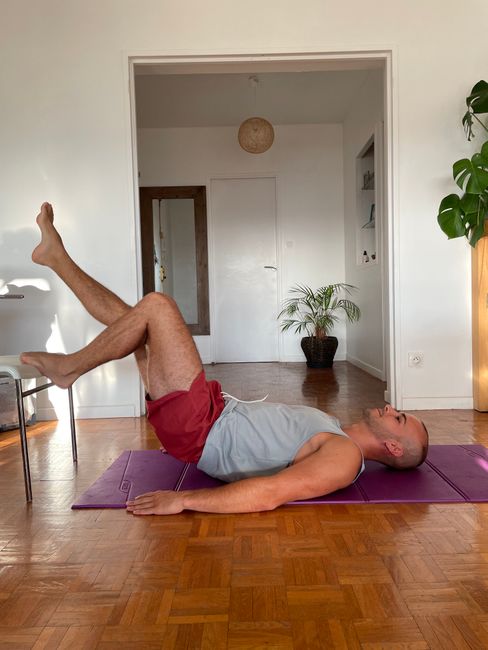
Regular spinal maintenance generally means habits and care strategies that support comfortable movement, strength, flexibility, and everyday function over time. It does not mean that every person needs routine spinal adjustments or that treatment can prevent all back or neck problems.
For residents of Syracuse, NY, spinal health can be affected by ordinary routines: long periods at a desk, winter shoveling, commuting, home repairs, recreational activities, and repeated lifting. A sensible maintenance plan focuses on movement, strength, recovery, and appropriate evaluation when symptoms do not improve.
What does regular spinal maintenance mean?
Regular spinal maintenance is a broad term rather than a single medical treatment. It may include physical activity, mobility exercises, strengthening, ergonomic changes, sleep habits, and manual care when it is appropriate for a particular problem.
The spine is supported by muscles, ligaments, joints, discs, and the nervous system. These structures are influenced by how often a person moves, how much load is placed on the body, and how well the body recovers afterward.
A maintenance approach may involve:
- Walking or other low-impact aerobic activity
- Strengthening the abdominal, back, hip, and leg muscles
- Stretching areas that feel restricted
- Changing positions during desk work or driving
- Using safer lifting and shoveling techniques
- Addressing recurring pain before it begins interfering with sleep or daily activities
The goal is not to keep the spine in a permanently “perfect” position. Human posture changes throughout the day, and there is no single ideal posture that prevents every injury.
What are the potential benefits?
The most reliable benefits of regular spinal care habits are improved movement, better tolerance for daily activities, and greater awareness of factors that aggravate symptoms.
Regular activity can help maintain muscle strength and joint mobility. It can also support balance, general fitness, sleep, mood, and the ability to perform household or work tasks. For some people with low-back pain, spinal manipulation may provide modest short-term relief and improved function, particularly when combined with exercise and self-management.
Potential benefits may include:
- Less stiffness after sitting or waking
- Improved ability to bend, walk, lift, or turn
- Better tolerance for seasonal chores and recreational activities
- Fewer interruptions to sleep or work
- Greater confidence in managing occasional discomfort
- Earlier recognition of symptoms that need medical attention
These benefits vary by person. Regular adjustments should not be presented as a guaranteed way to prevent arthritis, disc problems, injuries, or future pain.
Can routine chiropractic adjustments prevent back pain?
There is not strong evidence that routine adjustments prevent all future back pain in people who have no symptoms. Spinal manipulation is better understood as one possible option for selected musculoskeletal problems, not as a universal preventive requirement.
Some people report temporary relief after manual treatment, while others benefit more from exercise instruction, changes in activity, physical therapy, medication guidance, or a combination of approaches. The appropriate choice depends on the cause, duration, severity, medical history, and personal preferences involved.
A reasonable maintenance plan should be individualized rather than based on a fixed schedule. There is no scientifically established number of adjustments that every healthy adult should receive each month or year.
How can exercise support spinal health?
Exercise is one of the most useful parts of long-term spine care. It does not need to be intense to be helpful. Walking, gentle cycling, water exercise, resistance training, and mobility work can all contribute to physical capacity.
Strengthening the hips, legs, trunk, and upper back may make lifting and carrying easier. Mobility work can help a person move comfortably through normal ranges. Aerobic activity supports general endurance, which matters because fatigue can make everyday movements feel more difficult.
People who are beginning after a period of inactivity should start gradually. A short walk, several minutes of gentle mobility, or a small number of controlled strengthening exercises may be more sustainable than an ambitious routine that causes a flare-up.
Pain during activity deserves attention. Mild muscle tiredness can be expected, but sharp, worsening, radiating, or persistent pain may indicate that an exercise needs to be modified or evaluated.
What local habits can place extra stress on the back?
Seasonal routines can change the demands placed on the spine. During Syracuse winters, snow shoveling may involve repeated bending, twisting, pushing, and lifting. Cold conditions may also lead people to move more quickly than their muscles and joints are prepared for.
Helpful practices include:
- Warming up with several minutes of walking and gentle movement
- Pushing lighter snow when possible instead of lifting heavy loads
- Keeping the shovel close to the body
- Bending through the hips and knees rather than rounding only through the lower back
- Turning the feet instead of twisting the trunk while carrying snow
- Taking breaks before fatigue changes technique
The same principles apply to spring yard work, moving household items, and home maintenance. Repeated moderate loads can be stressful when performed for a long time without rest.
What should someone expect from a spinal maintenance visit?
An appropriate evaluation should begin with questions about symptoms, health history, medications, previous injuries, work demands, activity level, and goals. Movement, strength, sensation, and other relevant findings may also be assessed.
Manual treatment, if considered suitable, is only one possible part of care. A useful plan may also include home exercises, activity modification, education about lifting, or guidance about when additional medical evaluation is needed.
Mild soreness, stiffness, or a temporary increase in discomfort can occur after spinal manipulation. People should share information about conditions that may affect safety, including osteoporosis, recent trauma, inflammatory disease, neurological symptoms, blood-clotting concerns, and significant medical problems.
Neck manipulation deserves particular caution because rare but serious complications have been reported. Anyone considering treatment should understand both expected benefits and possible risks.
When is back or neck pain a warning sign?
Most routine aches are not emergencies, but some symptoms require prompt medical assessment rather than maintenance care alone.
Seek urgent medical attention for back or neck symptoms accompanied by:
- New loss of bladder or bowel control
- Numbness in the groin or inner thighs
- Progressive weakness in an arm or leg
- Severe pain after a fall, collision, or other significant injury
- Fever, unexplained weight loss, or a history of cancer
- Severe pain that is constant, rapidly worsening, or unrelated to movement
- New difficulty walking or coordinating movements
Pain that repeatedly returns, lasts longer than expected, or limits normal activities also deserves a careful evaluation. The cause may involve muscles and joints, but it can sometimes involve nerves, infection, inflammatory disease, or another condition requiring a different approach.
How often should spinal maintenance be done?
Frequency should be guided by symptoms, goals, response to care, and overall health rather than a universal calendar. Some people may benefit from a brief period of structured care during recovery from an injury. Others may need occasional reassessment while relying primarily on exercise and daily habits.
For many residents, the most practical maintenance strategy is consistent movement, gradual strengthening, sensible recovery after demanding activities, and early attention to persistent symptoms. Manual care can be considered when it fits the individual situation, but it should complement—not replace—active participation in spinal health.
