

Sports injuries can affect muscles, joints, ligaments, tendons, and the spine. Chiropractic care may help some people manage pain, restore movement, and return gradually to activity, but it is not appropriate for every injury and should not replace emergency or orthopedic evaluation when serious damage is possible.
What does chiropractic care do for a sports injury?
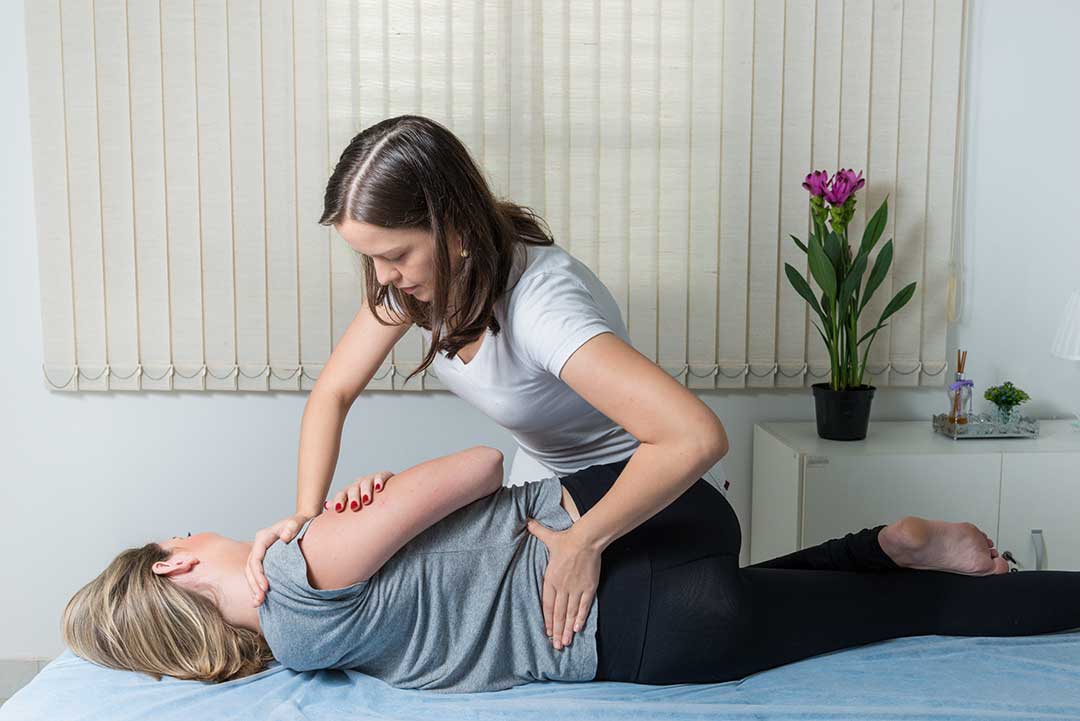
Chiropractic care focuses on the relationship between joints, muscles, movement, and physical function. Depending on the injury, care may include joint mobilization, spinal manipulation, soft-tissue techniques, mobility exercises, strengthening guidance, and advice about modifying activity.
The goal is usually not simply to “put something back in place.” A more practical goal is to reduce symptoms and improve how the injured area moves while the body heals.
For example, a recreational runner with a mild lower-back strain may have restricted motion in the hips or spine that makes normal movement uncomfortable. A careful examination may identify areas that need gentle mobility work, along with exercises that improve trunk and hip control.
Research summarized by the National Center for Complementary and Integrative Health suggests that spinal manipulation may provide modest improvements in pain and function for some types of acute low-back pain. That evidence does not mean the same treatment is effective for every sports injury. ([nccih.nih.gov](https://www.nccih.nih.gov/health/spinal-manipulation-what-you-need-to-know?utm_source=openai))
Which sports injuries may benefit?
Chiropractic treatment may be considered for certain uncomplicated musculoskeletal problems, especially when the main symptoms are stiffness, reduced motion, or activity-related pain.
Examples include:
- Mild lower-back strains from lifting, twisting, or athletic activity
- Some neck and upper-back muscle strains
- Joint stiffness after an injury has been medically assessed
- Certain overuse-related movement problems
- Muscle tightness that changes running, jumping, throwing, or lifting mechanics
- Residual soreness during a gradual return to activity
Treatment depends on the tissue involved. A muscle strain, ligament sprain, tendon problem, stress fracture, and joint dislocation are different conditions and require different plans. Chiropractic care may be one part of recovery for selected problems, but it is not a universal treatment for sports injuries.
Can chiropractic care speed up recovery?
It may support recovery by helping a person move more comfortably and follow an appropriate exercise plan, but faster recovery is not guaranteed. Healing time depends on the injury’s severity, the athlete’s age and health, sleep, training load, nutrition, and whether the injured tissue is protected from repeated stress.
Manual treatment alone is rarely enough for a durable return to sport. Recovery often requires progressive loading, balance work, strength training, and gradual exposure to the movements required by the activity.
For example, a person returning to basketball may need to rebuild the ability to decelerate, change direction, land safely, and tolerate repeated jumping. Someone returning to skiing or winter recreation may need strength and balance work in addition to symptom relief. In Syracuse, icy conditions and seasonal changes can also increase the chance of slips, falls, and abrupt twisting injuries, making balance and lower-body conditioning particularly relevant.
What happens during an evaluation?
A responsible evaluation begins with questions about how the injury occurred, when symptoms began, what movements worsen them, and whether there has been swelling, weakness, numbness, or loss of function.
The examination may include:
- Observation of posture, walking, or sport-specific movement
- Joint range-of-motion testing
- Muscle strength and reflex checks
- Assessment of tenderness, swelling, and stability
- Screening for nerve-related symptoms
- Review of training volume, footwear, equipment, and recovery habits
The findings help determine whether conservative care is reasonable or whether imaging, urgent medical assessment, or referral is needed. A sudden injury involving significant force should not be treated as a routine “alignment” problem without first considering fractures, ligament tears, dislocations, or nerve involvement.
Are adjustments appropriate immediately after an injury?
Not always. The timing and technique matter.
Forceful treatment over an acutely swollen, unstable, fractured, or severely painful area may be inappropriate. Early care for some injuries may instead involve protection from aggravating activity, gradual movement, compression, elevation, and medical assessment. The right approach depends on the injury and the person’s overall health.
People should also disclose conditions and medications that could affect safety, including osteoporosis, bleeding disorders, recent surgery, inflammatory disease, cancer, or the use of blood-thinning medication. Mild temporary soreness, stiffness, or an increase in pain can occur after spinal manipulation. Serious complications are rare, but they have been reported, and careful screening is important. ([nccih.nih.gov](https://www.nccih.nih.gov/health/spinal-manipulation-what-you-need-to-know?utm_source=openai))
Neck manipulation deserves particular caution. Sudden neck pain or headache after athletic activity may sometimes reflect an injury requiring urgent evaluation, and rare artery-related complications have been reported in connection with neck manipulation. This is one reason a thorough history and neurological screening should come before treatment. ([nccih.nih.gov](https://www.nccih.nih.gov/health/spinal-manipulation-what-you-need-to-know?utm_source=openai))
When should a sports injury be evaluated urgently?
Immediate medical assessment is more appropriate than routine chiropractic care when an injury involves:
- A visible deformity or suspected dislocation
- Inability to bear weight or use the limb normally
- Severe or rapidly increasing swelling
- Numbness, weakness, loss of coordination, or changes in bladder or bowel control
- A popping sensation followed by instability
- Severe neck or back pain after a collision or fall
- Loss of consciousness, confusion, repeated vomiting, or worsening headache after a head impact
- Chest pain, shortness of breath, or symptoms suggesting a medical emergency
A suspected fracture, major ligament tear, concussion, or spinal cord injury requires appropriate medical diagnosis. Returning to play before those conditions are assessed can worsen the injury.
How does chiropractic care fit with rehabilitation?
The most useful role is often coordinated care rather than treatment in isolation. Depending on the injury, rehabilitation may involve a physician, physical therapist, athletic trainer, or other qualified clinician. Chiropractic treatment may address joint mobility or pain while a broader program develops strength, endurance, balance, and movement confidence.
A return-to-sport plan should be based on function rather than the calendar alone. Before resuming full activity, a person should generally be able to perform required movements—such as jogging, cutting, jumping, throwing, or lifting—without significant pain, compensation, or next-day worsening.
Pain relief can be helpful, but it does not automatically prove that the tissue is healed. Athletes should be cautious about using symptom improvement to justify an immediate return to full training.
What can Syracuse residents do at home?
For a mild injury without warning signs, temporarily reducing the aggravating activity is often sensible. Gentle movement within a comfortable range is usually preferable to prolonged inactivity, but the injury should not be repeatedly tested through sharp pain.
Practical steps include:
- Record which movement caused the problem and what symptoms followed.
- Avoid rapidly increasing training volume, especially after a seasonal break.
- Use gradual warm-ups before running, lifting, or recreational sports.
- Rebuild strength and balance before returning to high-speed or contact activity.
- Pay attention to pain that persists, spreads, or worsens after exercise.
- Take extra care on icy surfaces and during winter activities that combine uneven footing with twisting or falling risk.
Chiropractic care can be a reasonable component of recovery for selected sports-related musculoskeletal conditions. Its value is greatest when treatment is based on a clear assessment, paired with progressive rehabilitation, and adjusted when symptoms suggest a more serious injury.
