

Long car rides, flights, train trips, and unfamiliar beds can all place extra stress on the lower back. For residents of Syracuse, NY, travel may also involve winter road conditions, bulky clothing, slippery walkways, or long drives to reach airports, family gatherings, and outdoor destinations.
Preventing travel-related back pain is less about finding one perfect posture and more about changing positions, limiting awkward lifting, and preparing the body before a long journey.
Why does travel often trigger lower back pain?
Travel combines several factors that can irritate the muscles, joints, and discs of the lower spine:
- Sitting in one position for an extended time
- Reaching into low vehicle trunks or overhead compartments
- Lifting luggage while twisting
- Sleeping in unfamiliar beds
- Walking more than usual after a period of inactivity
- Wearing stiff winter clothing that restricts movement
- Driving over rough roads or sitting in a vehicle with limited lumbar support
Sitting itself is not automatically harmful, but remaining still for hours can increase stiffness and discomfort. Research has found that brief walking breaks may reduce pain associated with prolonged sitting. ([pubmed.ncbi.nlm.nih.gov](https://pubmed.ncbi.nlm.nih.gov/36641712/?utm_source=openai))
People who already have occasional back pain may be more sensitive to these changes. A long trip can also expose an underlying issue that was not noticeable during normal daily routines.
How should you prepare before leaving?
A few days of reasonable preparation can make travel easier. Avoid suddenly starting an intense workout, deep stretching routine, or heavy yardwork immediately before departure. Overdoing activity after a period of inactivity can contribute to back pain. ([niams.nih.gov](https://www.niams.nih.gov/health-topics/back-pain?utm_source=openai))
Instead, maintain normal movement before the trip:
- Take regular walks.
- Practice gentle hip and back mobility exercises.
- Use strengthening exercises that you already tolerate well.
- Avoid testing unfamiliar exercises right before traveling.
- Pack early so lifting and bending are not rushed.
Regular exercise that supports the back and abdominal muscles may reduce the risk of future problems. Balance and strength activities can also help reduce the risk of falls, which is especially relevant during icy Syracuse winters. ([niams.nih.gov](https://www.niams.nih.gov/health-topics/back-pain/diagnosis-treatment-and-steps-to-take?utm_source=openai))
If a person has a diagnosed spine condition, recent injury, or symptoms that travel into the leg, exercise choices should be individualized rather than copied from a general travel guide.
What is the safest way to sit in a car?
For a long drive, adjust the seat before starting rather than trying to manage discomfort later. The hips should be positioned close enough to the pedals that the knees remain slightly bent. The backrest should support the torso without forcing a reclined or hunched position.
A small rolled towel or built-in lumbar support may help fill the natural curve of the lower back. Support should feel comfortable, not push the spine forward aggressively. NIAMS specifically recommends adding support behind the back during long-distance driving and stopping frequently to stand and walk. ([niams.nih.gov](https://www.niams.nih.gov/health-topics/back-pain/diagnosis-treatment-and-steps-to-take?utm_source=openai))
During the drive:
- Change position periodically without taking attention away from the road.
- Stop at regular intervals to walk for a few minutes.
- Avoid keeping a wallet, phone, or bulky object in a back pocket.
- Keep frequently used items within easy reach.
- Do not stretch forcefully while the vehicle is moving.
- Share driving when possible so one person is not seated for the entire journey.
There is no universal mileage or time limit that works for everyone. A person with a history of back pain may need more frequent stops than someone without symptoms.
How can air and train passengers reduce stiffness?
Travelers cannot always control the seat design, but they can control how often they move. If safe and practical, stand or walk briefly during breaks in the journey. While seated, gently move the ankles, shift weight, and avoid staying rigid in one position.
An aisle seat may make it easier to change position, but a window seat is not inherently bad if the traveler can still move comfortably. A small cushion or folded layer of clothing may provide support behind the lower back. The goal is comfort and movement, not forcing the spine into a strict posture.
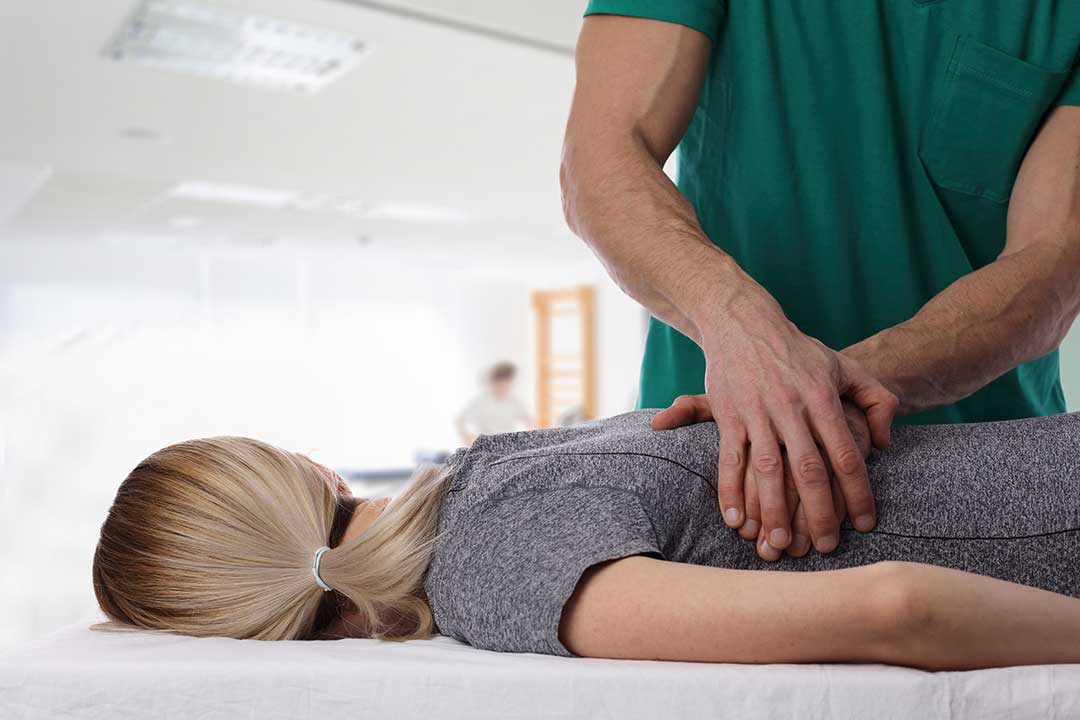
During a flight or train trip, avoid lifting a heavy bag from the floor while twisting. Ask for assistance when an item is too heavy or awkward to handle safely. The spine is often strained not by the weight alone, but by the combination of weight, rotation, and poor leverage.
What is the proper way to handle luggage?
Luggage is a common source of travel-related back pain because people often lift it quickly, away from the body, or while turning.
Before lifting:
1. Stand close to the bag.
2. Face the direction in which the bag will move.
3. Bend through the hips and knees rather than rounding only through the lower back.
4. Hold the luggage close to the body.
5. Rise smoothly without jerking.
6. Turn with the feet instead of twisting the trunk.
Use smaller bags when practical, distribute weight evenly, and avoid carrying multiple heavy items on one side. Comfortable shoes with stable footing are helpful, especially when floors, curbs, or walkways are wet or icy. Limiting the amount carried and making additional trips is also recommended for reducing back strain. ([niams.nih.gov](https://www.niams.nih.gov/health-topics/back-pain/diagnosis-treatment-and-steps-to-take?utm_source=openai))
Rolling luggage can reduce carrying demands, but it still requires attention. Pulling a heavy bag behind the body while rotating repeatedly may irritate the back or shoulder. Keep the handle close and change sides when possible.
How should travelers manage sleeping arrangements?
A different mattress can make the back feel stiff the next morning even when no injury has occurred. Side sleepers may find that placing a pillow between the knees reduces twisting through the pelvis. Back sleepers may be more comfortable with a pillow under the knees. NIAMS lists both positions as options for supporting the back during sleep. ([niams.nih.gov](https://www.niams.nih.gov/health-topics/back-pain/diagnosis-treatment-and-steps-to-take?utm_source=openai))
Travelers should also consider the transition from bed to standing. If the back feels stiff, roll onto one side, move the legs off the edge, and use the arms to help sit up. Avoid rising suddenly with a forward bend and twist.
Should stretching be done during a trip?
Gentle movement is usually more useful than aggressive stretching. Walking, changing positions, and comfortable range-of-motion exercises can help reduce stiffness. A stretch should feel mild and controlled, not sharp, burning, or electrically painful.
Avoid forcing a forward bend or twisting repeatedly to “loosen” the spine. If an exercise increases pain during the activity or causes symptoms to spread farther down a leg, stop that movement.
A common misconception is that complete bed rest is the best response to travel-related back pain. For many uncomplicated episodes, prolonged inactivity can increase stiffness. Short periods of comfortable movement are generally more practical, although severe symptoms or a recent injury may require medical guidance.
When does travel-related back pain need prompt medical attention?
Most mild stiffness improves with position changes, rest from aggravating activity, and gradual return to normal movement. Prompt medical evaluation is warranted after a significant fall or collision, or when back pain is accompanied by:
- New or worsening leg weakness
- Numbness in the groin or saddle area
- Loss of bladder or bowel control
- Fever or chills
- Unexplained weight loss
- Severe, unrelenting, or rapidly worsening pain
- Pain after a major injury
These symptoms can signal a problem requiring more than routine self-care. ([stacks.cdc.gov](https://stacks.cdc.gov/view/cdc/190650/cdc_190650_DS1.pdf?utm_source=openai))
For travelers with recurring lower back pain, the most useful prevention plan is usually simple: prepare without overexerting, support the back without immobilizing it, take movement breaks, lift close to the body, and respect symptoms that are unusual or worsening.
